
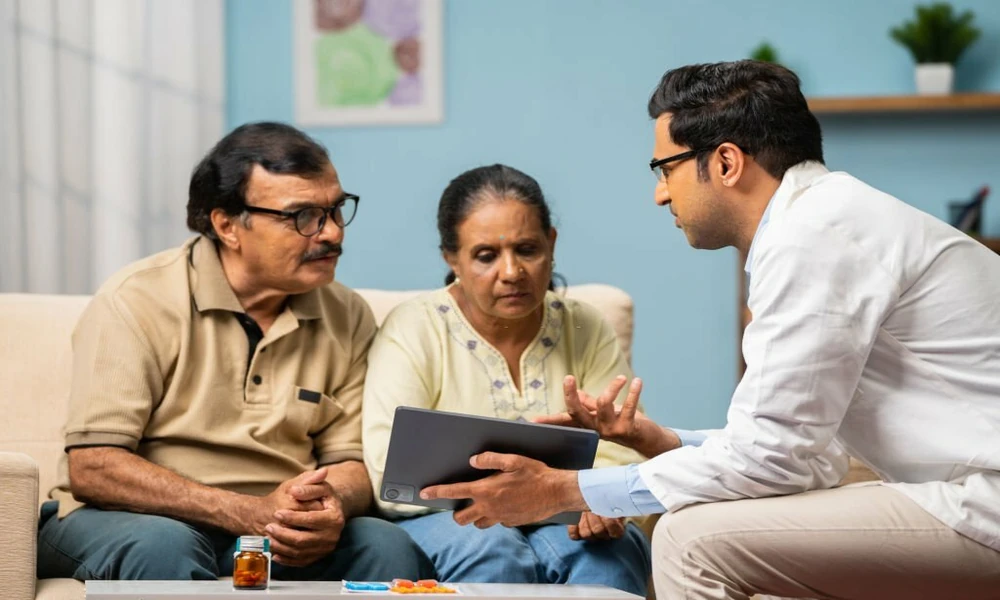

One of the most important choices a family can make is where to place a loved one in a nursing facility. It involves much more than just locating a medical facility. While getting the necessary medical care, residents should feel safe, respected, and emotionally supported in a high-quality nursing home. The ideal institution strikes a mix between expert medical care and a caring environment that promotes freedom, dignity, and deep social ties.
It is beneficial for families to know what really makes for a good living environment when they start their quest. The greatest nursing facilities understand that mental and physical health are strongly related, even if each patient has different requirements. Families may make more confident judgments by learning more about the selection process via sites like https://nursinghomelitigator.com/how-to-choose-a-nursing-home-for-your-loved-one/.
Examining Services Other Than Medical
Naturally, one of the first things to look at while assessing a nursing home is medical care. Supporting persons with chronic diseases, limited mobility, or recuperating after surgery requires access to emergency care, skilled nurses, trained doctors, and rehabilitation experts.
But good healthcare goes beyond prescription regimens and treatment strategies. Employees should react quickly to health problems, explain changes in treatment, and communicate with residents and their families in an understandable manner. Each resident is shown to be handled as an individual rather than just another patient via regular monitoring and individualized care plans.
Establishing A Cozy Environment
A significant life shift is often represented by moving into a nursing home. Feelings of uncertainty, loneliness, or worry might arise when one leaves a familiar home. During this time of transition, facilities that foster a sense of belonging may greatly lessen residents’ emotional stress.
A homey feeling is produced by cozy living quarters, appealing communal areas, natural lighting, and chances for personal décor. Maintaining routines, commemorating key dates, and engaging in hobbies that support their independence and sense of self should all be encouraged.
Warm surroundings may have a long-lasting effect on general contentment and emotional well-being.
The Value Of Caring Employees
Although medical equipment and technology are important, humans are still at the center of high-quality nursing home care. Every day, compassionate caregivers make people feel heard, respected, and appreciated.
During visits, families should see how staff workers engage with residents. Compared to pamphlets or marketing, friendly discussions, patient contact, and real friendliness often convey significantly more about a facility.
A healthy working culture, which often translates into more dependable and familiar care for residents, may also be indicated by high staff retention. Strong bonds between residents and caregivers lessen stress and loneliness while fostering trust.
Promoting Meaningful Activities And Social Interaction
Keeping up social ties is crucial for emotional well-being. Engaging activities in nursing homes support patients’ continued mental activity and socialization.
Exercise classes, crafts, music, gardening, educational talks, holiday celebrations, and community gatherings are examples of daily programming. Residents are given the chance to engage in these activities based on their skills and interests.
Families can also seek establishments that promote frequent visits from family members and provide cozy areas for socializing. Keeping up familial ties is a major factor in emotional stability and contentment.
Encouraging Personal Preferences And Self-Sufficiency
Each new inhabitant brings their own customs, rituals, experiences, and preferences. Recognizing these distinctions, high-quality nursing homes make every effort to maintain each resident’s feeling of autonomy.
Residents are able to keep control over significant elements of their lives by making simple decisions like food preferences, daily schedules, hobbies, and personal routines. Respecting these choices boosts self-esteem and upholds one’s dignity.
In order to guarantee that people continue to live in a manner that represents who they are, individualized care also entails acknowledging cultural origins, religious customs, and communication requirements.
Family Confidence Is Increased Through Communication
When families continue to actively participate in their loved one’s care, they often feel more at ease. Nursing facilities should welcome inquiries from family members, promote open communication, and provide frequent updates.
Stronger relationships between caregivers and families are produced by planned care meetings, easily available personnel, and open communication regarding health changes. Prompt communication helps in resolving difficulties before they worsen.
A facility that prioritizes family participation shows that it is dedicated to providing all-encompassing, resident-centered care.
Assessing Safety Without Compromising Life Quality
Every nursing home must prioritize safety, but comfort and freedom should never be sacrificed for it. Clean environments, safe entrances, emergency response systems, fall prevention tactics, and infection control protocols are examples of effective safety measures.
Residents should continue to make use of social events, outdoor areas, and leisure pursuits when they are suitable. The greatest facilities effectively strike a balance between freedom and safety, enabling occupants to lead happy, safe lives.
Making A Considerate Choice For The Future
Careful observation, intelligent inquiry, and a thorough comprehension of both medical and emotional requirements are necessary while selecting a nursing home. Families should assess the general environment, staff interactions, resident satisfaction, and chances for meaningful participation in addition to healthcare treatments.
Residents are more likely to feel comfortable, confident, and have a better quality of life when medical expertise is paired with empathy, respect, and emotional support. A well-selected nursing home transcends its role as a medical institution. It turns into a location where people can maintain their dignity while getting the expert care and special attention they are entitled to.
