
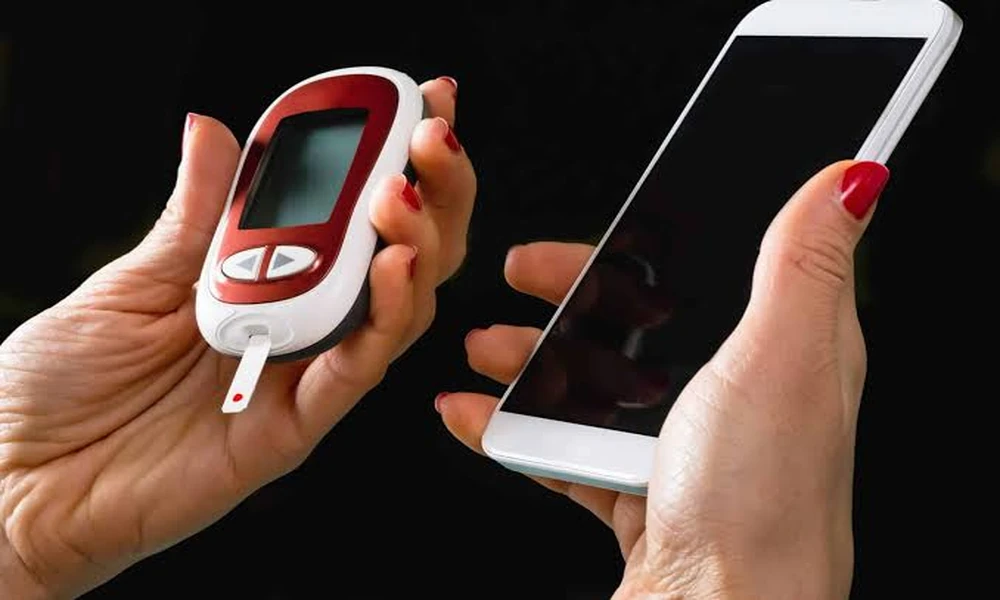

Diabetic test strips are an important part of everyday blood glucose monitoring for many people with diabetes. However, changes in prescriptions, insurance coverage, testing routines, or glucose meters can sometimes leave people with more test strips than they actually need. When those boxes remain unopened and are still within their expiration dates, they may retain value rather than simply taking up space in a cabinet.
Understanding why unused test strips can have value can help people make more informed decisions about supplies they no longer need. Instead of automatically throwing them away, it can be useful to consider their condition, expiration date, packaging, and other factors.
Why People End Up With Extra Test Strips
There are several reasons someone might accumulate unused diabetic test strips. A healthcare provider may recommend a different glucose meter, which can make existing strips incompatible with the new device. An insurance provider may change the brands it covers, or a person’s testing schedule may change over time.
Automatic supply shipments can also result in extra boxes accumulating before previous supplies have been used. Whatever the reason, unopened boxes may remain usable when they have been stored correctly and have sufficient time remaining before expiration.
This creates an opportunity to consider alternatives to simply discarding supplies that are no longer required.
Unopened Packaging Makes a Difference
The condition of diabetic test strips is particularly important. Test strips are sensitive medical supplies designed to provide accurate blood glucose readings when used according to manufacturer instructions. Exposure to moisture, excessive heat, or other environmental conditions can potentially affect their performance.
For this reason, unopened and factory-sealed packaging is generally important when determining whether surplus test strips have potential value. A sealed box provides greater confidence that the contents have not been exposed or tampered with.
People exploring options for their extra supplies can visit https://morecashforteststrips.com/ to learn more about the types of unused diabetic supplies that may be accepted and the requirements that can apply.
Expiration Dates Matter
Expiration dates are another major consideration. Test strips are manufactured with a defined period during which they are intended to perform according to their specifications when properly stored.
An unopened box with plenty of time remaining before its expiration date is naturally more useful than a box that is approaching expiration. Anyone considering what to do with surplus supplies should therefore check dates sooner rather than leaving boxes forgotten in storage.
Regularly reviewing diabetes supplies can help prevent potentially useful products from sitting unused until they are no longer suitable for their intended purpose.
Brand and Box Condition Can Affect Value
Not every box of test strips will have the same potential value. Brand, quantity, expiration date, demand, and packaging condition can all play a role.
Boxes that are factory sealed and free from significant damage are generally more desirable than packages that are crushed, torn, stained, or otherwise compromised. Labels and identifying information should also remain readable.
Proper storage is equally important. Diabetes testing supplies should be kept according to the manufacturer’s instructions and protected from conditions that could affect their quality. Good storage habits help preserve supplies until they are needed or until a decision is made about unused boxes.
Reducing Unnecessary Waste
Finding an appropriate option for surplus test strips can also help reduce unnecessary waste. Medical and healthcare products require resources to manufacture, package, transport, and distribute. Throwing away unopened products simply because they are no longer needed can mean those resources provide no practical benefit.
Reviewing supplies periodically can help people identify extra boxes earlier. It also provides an opportunity to check expiration dates and determine whether upcoming deliveries still match actual testing needs.
Making an Informed Decision
Before doing anything with unused diabetic test strips, it is important to confirm that the boxes are unopened, properly stored, and within acceptable expiration periods. People should also make sure that any sale or transfer complies with applicable laws, program rules, insurance requirements, and product restrictions.
Unused diabetic test strips do not necessarily have to become forgotten clutter. When boxes remain factory sealed, undamaged, appropriately stored, and sufficiently far from expiration, they may still have practical value. Taking a few minutes to review surplus supplies can help people understand their available options and make a more informed decision about what to do next.
Why Unopened Diabetic Test Strips May Still Have Value
