
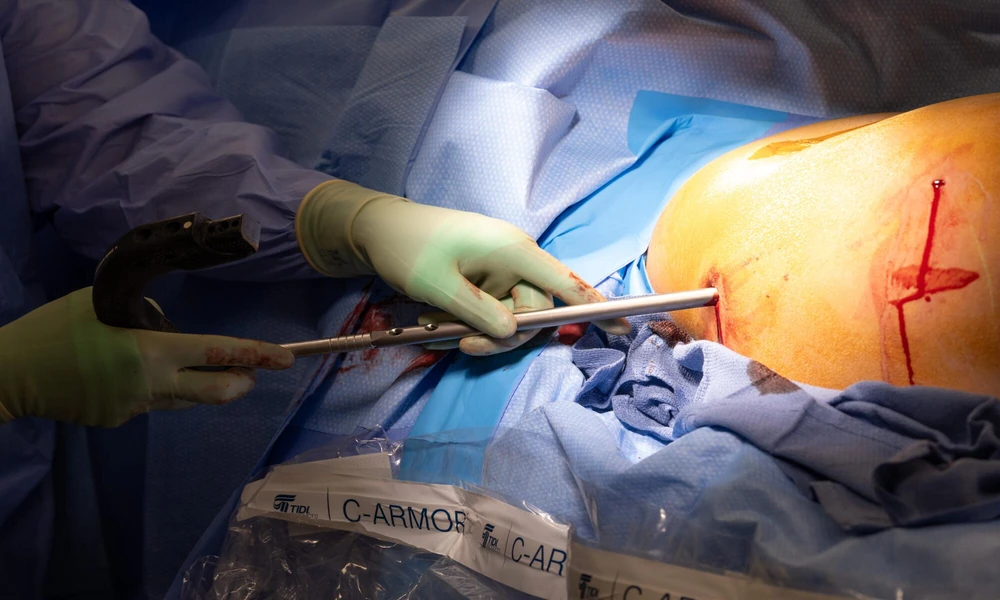

Height increase surgery is a major orthopedic procedure that requires careful thought, realistic expectations, and extensive preparation. Unlike simple cosmetic treatments, surgical limb lengthening involves changes to the bones and surrounding tissues, followed by a gradual recovery and rehabilitation period. Anyone considering this procedure should understand both the potential benefits and the responsibilities associated with treatment.
Learning about the procedure, recovery requirements, personal goals, and possible risks can help prospective patients have more productive discussions with qualified medical professionals.
What Is the Surgical Process?
One of the first considerations is understanding what height increase surgery actually involves. Modern limb lengthening procedures generally involve surgically dividing a bone and gradually increasing the space between the bone segments using specialized orthopedic technology. New bone develops within the created space over time.
The process does not end when the initial operation is completed. Lengthening occurs gradually, and the body needs sufficient time to adapt. The length of the bones changes, and muscles, nerves, blood vessels, and other soft tissues must adapt. Understanding this extended process is important before deciding whether surgery aligns with personal circumstances.
Choosing an Experienced Medical Team
The qualifications and experience of the surgical team deserve significant attention. Limb lengthening is highly specialized, so prospective patients should look carefully at a surgeon’s orthopedic background, experience with lengthening procedures, treatment approach, and rehabilitation protocols.
People researching options may encounter specialized providers such as Limbplastx while learning about cosmetic limb lengthening. Regardless of the provider being considered, patients should arrange a detailed consultation and ask specific questions about the procedure, expected recovery, potential complications, and follow-up care.
A consultation should also provide an opportunity to determine whether the individual is medically suitable for surgery rather than simply focusing on the desired increase in height.
Setting Realistic Height Expectations
Another important consideration is the amount of additional height a person hopes to achieve. Individual anatomy and medical considerations can influence what may be appropriate. Attempting to pursue an unrealistic increase can potentially create additional challenges.
Patients should discuss their goals openly with their surgeon. A responsible treatment plan should prioritize orthopedic health, body proportions, mobility, and long-term function alongside cosmetic objectives.
Considering the Recovery Commitment
Recovery can be one of the most demanding aspects of height increase surgery. Patients should be prepared for a process that may extend over several months and involve significant changes to everyday routines.
Work responsibilities, transportation, household activities, social commitments, and living arrangements may all need to be considered beforehand. Some people may require assistance with ordinary activities during particular stages of recovery.
Planning these practical details before surgery can make the recovery period easier to manage.
Recognizing the Importance of Rehabilitation
Physical therapy is an important component of limb lengthening treatment. As bones gradually lengthen, surrounding muscles and other soft tissues need to maintain flexibility and function.
A rehabilitation program may include exercises designed to support mobility, range of motion, muscle strength, and joint function. Patients therefore need to consider whether they are prepared to consistently follow the rehabilitation schedule recommended by their medical team.
Skipping appointments or failing to follow recovery instructions can potentially interfere with progress. Commitment to rehabilitation should be viewed as part of the treatment rather than an optional addition.
Understanding Possible Risks
Every surgical procedure carries potential risks, and height increase surgery is no exception. Possible complications can vary depending on the procedure, patient health, surgical technique, and recovery.
Before making a decision, patients should have a detailed conversation with their surgeon about both common and uncommon complications. They should understand warning signs, follow-up requirements, and what measures the medical team uses to manage potential problems.
Evaluating the Financial Commitment
Cost is another practical factor. Prospective patients should understand what the quoted price includes, such as surgery, hospital services, medical devices, imaging, follow-up appointments, physical therapy, and other recovery-related expenses.
Additional costs associated with travel, accommodation, time away from work, or assistance at home should also be considered when establishing a realistic budget.
Making an Informed Decision
Choosing height increase surgery should never be an impulsive decision. It requires careful research, medical evaluation, realistic expectations, financial planning, and a willingness to participate actively in rehabilitation.
A thorough consultation with a qualified orthopedic professional can help prospective patients understand whether the procedure is appropriate for their circumstances. People can make better decisions when they think about the whole journey instead of just the possible height gain. This helps them understand the commitment that is needed.
