
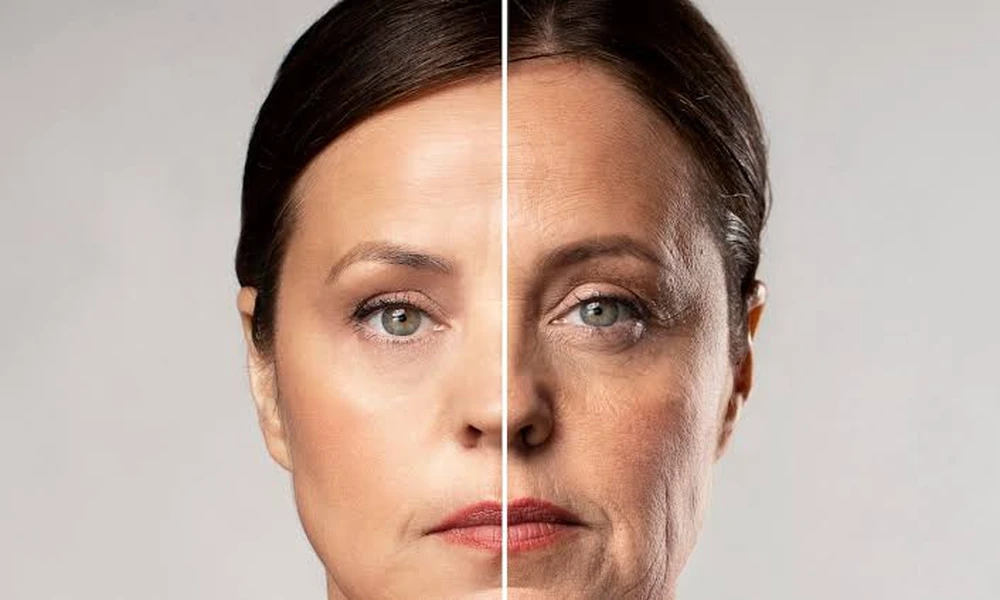

Aesthetic treatments have often been associated with correcting a particular concern: a line, a loss of volume or an area someone would like to change.
But attitudes are shifting. Increasingly, people are looking at their skin and facial appearance over the longer term rather than focusing on one feature at a time.
This has brought greater attention to skin quality, collagen and the gradual changes that take place beneath the surface as we age.
Facial Ageing Is a Gradual Process
The face does not suddenly change at a particular age.
Changes happen slowly and can be influenced by genetics, lifestyle, sun exposure and the natural ageing process. Collagen levels change, skin can become less firm and facial volume can alter.
These changes also affect everyone differently.
One person might notice changes around the cheeks first, while another becomes more aware of their jawline or the overall quality of their skin.
This is one reason why aesthetic treatment is increasingly moving away from standardised approaches.
Collagen Plays an Important Role
Collagen provides structure and support within the skin, but its production naturally reduces with age.
As this happens, people may begin to notice changes in firmness, texture and facial structure.
Interest in collagen has grown considerably within aesthetics as a result. Rather than focusing exclusively on adding volume or treating individual lines, some approaches are designed around encouraging gradual changes in the skin.
This offers a different way of thinking about facial ageing.
Immediate Change Is Not Always the Goal
Not everyone considering an aesthetic procedure wants an obvious transformation.
For some patients, subtlety is one of the most important considerations. They may want to look refreshed while still looking recognisably like themselves.
This has contributed to interest in treatments where results develop over time rather than appearing immediately.
For suitable patients considering Sculptra, the gradual nature of the treatment can be part of its appeal. It works differently from treatments intended primarily to provide an immediate volumising effect, so understanding the expected process is important before deciding whether it is appropriate.
Facial Balance Matters More Than Individual Features
It can be easy to focus on one feature when looking in the mirror.
However, facial features do not exist independently. The cheeks, jawline, temples and surrounding areas all contribute to overall proportions.
Changing one area without considering the rest of the face can therefore affect overall balance.
A more considered approach looks at the face as a whole before deciding whether anything should be treated.
Sometimes this may mean taking a more conservative approach than the patient originally expected.
Trends Should Not Decide Treatment
Social media has made aesthetic trends much more visible.
Certain facial shapes and treatments can suddenly become popular, encouraging people to request a particular procedure because they have repeatedly seen it online.
The difficulty is that a treatment that suits one person’s anatomy may not be appropriate for someone else.
Age, facial structure, skin quality and personal goals all need to be considered individually.
A consultation should therefore begin with the person rather than the trend.
A Consultation Should Include the Limitations
Understanding what a treatment cannot achieve is just as important as knowing what it can do.
A good consultation provides an opportunity to discuss the concern, expected outcome, potential risks and likely timeframe.
It may also reveal that another treatment would be more appropriate, or that no treatment is needed at all.
This is particularly important with gradual approaches because patients need realistic expectations about when changes may become noticeable.
Think About Skin Beyond Individual Procedures
Professional treatments are only one part of maintaining skin over time.
Sun protection, skincare and general lifestyle choices can all contribute to how skin looks and feels.
Rather than moving repeatedly from one procedure to another, some people prefer to think about aesthetics as part of a broader approach to looking after their skin.
This can encourage more considered decisions and reduce the temptation to respond to every new treatment or trend.
Medical Experience Is Important
Any injectable aesthetic treatment requires a detailed understanding of facial anatomy and appropriate patient assessment.
Companies such as Dr Hennessy Aesthetics provide doctor-led aesthetic treatments where consultation forms part of deciding whether a particular approach is suitable.
Patients should feel comfortable asking about the treatment, expected results, potential risks and aftercare before deciding whether to proceed.
There Is No Single Approach to Ageing
Aesthetic treatment is ultimately a personal choice.
Some people prefer not to have treatments, while others choose occasional procedures as part of how they look after their appearance.
What has changed is the idea that aesthetics must always involve an immediate or dramatic difference.
For people who do choose treatment, thinking about facial balance, skin quality and longer-term goals can create a more measured approach.
Rather than trying to stop the ageing process, the focus can simply be on making informed decisions about how someone wants to look and feel as their appearance naturally changes.
Why More People Are Taking a Longer-Term View of Facial Ageing
