
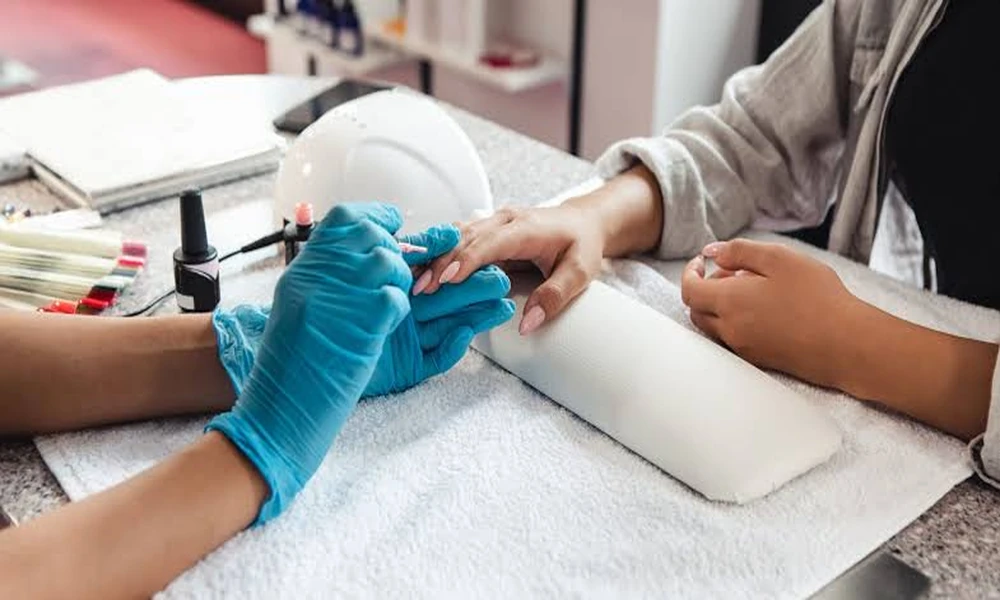

A manicure or pedicure should leave someone feeling polished, relaxed, and confident. For many clients, it is part of a regular self-care routine before work events, vacations, weddings, or sandal season in southern Utah. But behind every clean set of nails is a serious question: how well does the salon protect each client’s health?
Salon hygiene is not just about appearances. It affects infection risk, customer trust, staff professionalism, and the long-term reputation of a beauty business. For a client choosing a nail salon St George, cleanliness should matter as much as polish color, appointment availability, or design skill.
Clean Tools Protect Clients From Real Health Risks
Nail services involve close contact with skin, cuticles, nails, and sometimes tiny nicks that are easy to miss. Even a small break in the skin can allow bacteria, fungi, or viruses to spread if tools and surfaces are not cleaned correctly.
Common risks linked to poor salon hygiene include:
- Fungal nail infections
- Bacterial skin infections
- Warts
- Athlete’s foot exposure during pedicures
- Irritation from contaminated products
- Inflammation around the nail bed
These problems may sound minor, but they can become painful, expensive, and slow to heal. A fungal toenail infection, for example, can take months to treat. For people with diabetes, circulation issues, immune concerns, or sensitive skin, the risk can be more serious.
Good hygiene helps prevent these issues before they start. That means disinfecting metal tools between clients, using clean towels, replacing single-use items, and keeping pedicure basins sanitized. A careful salon is not being overly cautious. It is doing the basic work required to keep clients safe.
A Clean Salon Builds Trust Before the Service Starts
Clients notice the small things. They see whether workstations are wiped down, tools come from a clean container, staff wash their hands, and the floor looks cared for. Those cues shape confidence before the first coat of polish is applied.
For business owners, hygiene is part of the customer experience. A client might not know every gel product or acrylic method, but they know when a place feels clean and professionally managed.
A tidy reception area, organized polish displays, fresh towels, and well-maintained pedicure chairs all send the same message: this salon pays attention. That matters because nail care is personal. Clients are placing their hands and feet in someone else’s care. If the environment feels rushed, cluttered, or unsanitary, trust drops quickly.
In competitive local markets, trust is often what brings people back. A beautiful manicure may earn compliments for two weeks. A clean, safe experience can earn a client for years.
Pedicures Need Special Attention
Pedicures can carry higher hygiene concerns because feet are exposed to moisture, sweat, footwear friction, and public surfaces. Add whirlpool basins, foot files, and cuticle work, and sanitation becomes especially important.
Foot baths must be properly cleaned
Pedicure tubs should be cleaned and disinfected between clients, not just rinsed. Jets, drains, liners, and basin surfaces can trap residue if ignored. During busy seasons, salons may feel pressure to move quickly. That is exactly when sanitation routines matter most.
Single-use items should stay single-use
Items like buffers, nail files, toe separators, pumice tools, and certain sanding bands are difficult or impossible to fully disinfect. Reusing them between clients can spread germs. A professional salon either discards these items after one client or provides individually assigned tools when appropriate.
Skin should not be over-cut
Aggressive cuticle cutting, callus shaving, or digging around toenails can create unnecessary injury. Clean technique includes knowing when to stop. A healthy pedicure should improve comfort and appearance without leaving skin raw, sore, or vulnerable.
Hygiene Also Protects Salon Staff
Salon cleanliness is not only for customers. Nail technicians spend hours each day around dust, skin particles, chemicals, shared surfaces, and repeated hand contact. Good sanitation practices protect their health too.
Gloves, handwashing, ventilation, clean implements, and organized product storage help reduce exposure. Staff who work in a clean environment are more likely to feel respected and perform consistently. That benefits the business, the team, and every client who walks through the door.
A salon owner who invests in hygiene also reduces the risk of complaints, refunds, bad reviews, and regulatory trouble. One preventable infection can cost far more than the time it takes to follow proper cleaning procedures.
What Clients Should Look For During an Appointment
Clients do not need to inspect a salon like a health officer, but they should pay attention. A few practical signs can show whether hygiene is treated as a priority.
Look for:
- Tools stored in clean, sealed, or disinfected containers
- Staff washing or sanitizing hands between clients
- Fresh towels at each station
- Disposable items opened or replaced for each service
- Pedicure basins cleaned between appointments
- Work surfaces wiped down before the next client sits
- Clear separation between used and clean tools
- Technicians who avoid working on visibly infected nails
Clients should also feel comfortable asking basic questions. A professional salon will not be offended by someone asking how tools are disinfected or whether a file is new. Clear answers usually show that the staff has a system in place.
Beauty and Safety Should Work Together
Great nail care is not only about color, shape, or design. It is about delivering those results in a way that protects the person receiving the service. Clean practices may happen quietly in the background, but they are what make a manicure or pedicure truly professional.
For clients, choosing a hygienic salon means fewer risks and a better overall experience. For salon owners, it means stronger trust, repeat bookings, and a reputation that lasts beyond one appointment.
A polished finish should never come at the expense of health. The best salons understand that hygiene is not an extra feature. It is the foundation of every good manicure and pedicure.
