

Booking a massage should feel simple, but the wrong choice can leave you sore, rushed, or disappointed. In a growing area like St. George, where residents, retirees, athletes, hikers, and visiting families all look for relief in different ways, it helps to know what to review before you schedule.
A good appointment is not just about finding an open time slot. It is about matching the therapist, setting, service type, and expectations to your actual needs. A few checks upfront can make the experience safer, calmer, and more worthwhile.
Start With the Reason You Are Booking
Before comparing studios or appointment times, identify what you want the session to accomplish. A massage for general relaxation is different from one focused on tight shoulders, low-back tension, sports recovery, or prenatal comfort.
If you are booking after long workdays, you may need stress relief more than intense pressure. If you spend weekends hiking Snow Canyon or biking desert trails, you may want targeted work on calves, hips, glutes, or shoulders. If you are visiting St. George during a tournament or family trip, convenience may matter most.
Knowing your goal helps you ask better questions. Instead of saying, “I just need a massage,” you can say, “I sit at a desk most of the day and have neck and shoulder tension,” or “I need recovery work after hiking.”
Review the Service Menu Carefully
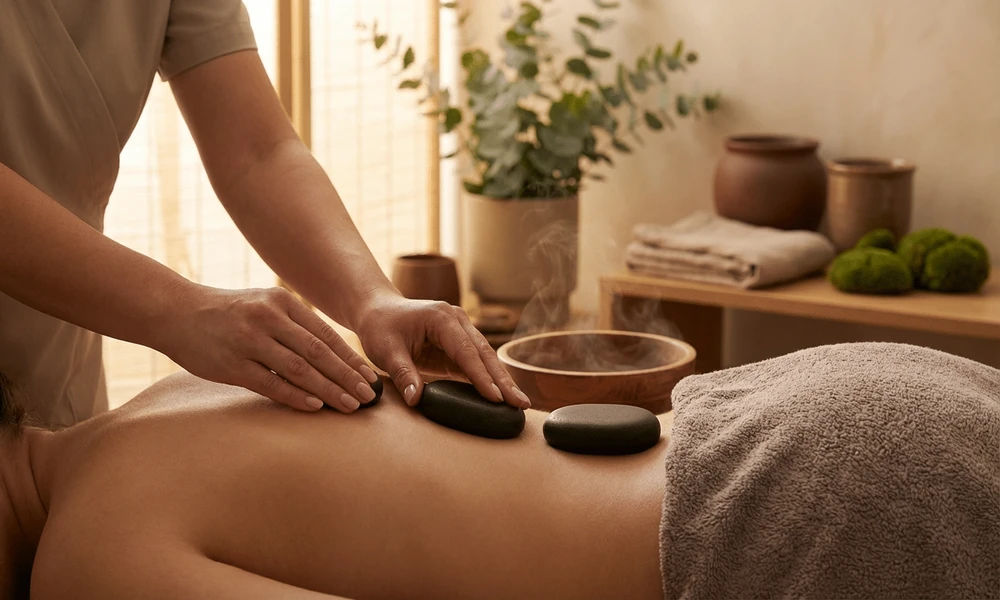
Not every service is designed for the same outcome. Common options may include Swedish massage, deep tissue, therapeutic massage, sports massage, prenatal massage, or add-ons such as hot stones or aromatherapy.
Pressure Level Matters
Deep tissue does not always mean better. Some clients assume stronger pressure equals better results, but excessive pressure can create lingering soreness or aggravate sensitive areas. A skilled therapist should adjust pressure during the session and explain what level makes sense for your body.
If you have not had bodywork in a while, moderate pressure may be smarter than booking the most intense option available.
Session Length Should Match the Goal
A 30-minute session can work well for one focused problem area, such as shoulders or calves. A 60-minute session is often better for a balanced full-body appointment. A 90-minute session may help when you need both relaxation and detailed work on multiple areas.
Do not pay for more time than you need, but do not squeeze a complex issue into a short appointment and expect complete relief.
Check Credentials, Experience, and Communication
Massage involves direct physical care, so trust matters. Look for clear information about therapist qualifications, specialties, and professional approach. If a business does not explain who provides the service or what kind of massage they offer, that is worth noticing.
A good provider should make it easy to ask questions before booking. They should be comfortable discussing pressure preferences, problem areas, injuries, pregnancy considerations, mobility concerns, and areas you do not want worked on.
For readers comparing options for massage St George, the most useful signals are not flashy claims. Look for clear service descriptions, easy scheduling information, a professional environment, and signs that the therapist listens before starting the session.
Pay Attention to Health and Safety Details
Massage is generally safe for many people, but certain conditions require extra care. If you have a recent surgery, blood clot history, severe swelling, unexplained pain, fever, skin infection, or recent injury, discuss that before the appointment. Pregnant clients should ask whether the therapist has appropriate prenatal experience and positioning options.
You do not need to share your entire medical history online. The intake process should simply give you a private way to mention important concerns. A thoughtful form and brief conversation before the session are good signs.
Also review the cleanliness of the space. Fresh linens, hand hygiene, clean rooms, and a calm, organized setup are basic expectations. If the environment feels careless, it is reasonable to reconsider.
Consider the St. George Context
St. George has a unique rhythm. Summer heat can leave people dehydrated and drained. Winter visitors may arrive after long drives. Spring and fall bring hiking, races, golf, outdoor events, and youth sports tournaments.
Those patterns affect what your body may need. After a hot-weather hike, hydration and lighter recovery work may be better than aggressive pressure. After hours in a car, hips, low back, shoulders, and neck may need attention. During busy work seasons, a quiet relaxation-focused session may be more valuable than targeted muscle work.
Mention these details when booking. “I drove six hours yesterday,” or “I hiked this morning,” gives the therapist practical context.
Read Policies Before You Commit
Policies may not be exciting, but they protect your time and budget. Before booking, check cancellation rules, late-arrival policies, payment expectations, tipping norms, package terms, and whether gift cards expire.
This matters if you are booking for an employee, spouse, visiting family member, or client. A missed appointment can mean a lost fee. A late arrival may shorten the session. A package may not be refundable.
The best businesses make these details easy to understand before checkout. Clear policies are not a red flag; unclear policies are.
Notice the Booking Experience
The booking process often reflects the service experience. If scheduling is confusing, communication is slow, or service descriptions are vague, the appointment may feel the same way.
Look for practical details:
- Available appointment times
- Accurate location information
- Clear service lengths and prices
- Instructions for first-time clients
- Options to communicate preferences
- Confirmation messages or reminders
For busy professionals, parents, and travelers, these details reduce friction. You should not have to guess where to go, what to wear, how early to arrive, or how long the appointment will take.
Know What a Good Session Should Feel Like
A professional session should begin with a short conversation about your goals, pressure preferences, and any areas to avoid. During the massage, you should feel comfortable speaking up if the pressure is too strong, too light, or focused in the wrong place.
Afterward, you may feel relaxed, looser, or slightly tender, depending on the work performed. You should not feel ignored, surprised by charges, or pressured into services you did not request.
The strongest sign of a good appointment is simple: you feel heard before, during, and after the session.
Final Check Before You Book
Before choosing a massage provider in St. George, confirm your goal, review the service type, check communication quality, read the policies, and make sure the environment feels professional. A few minutes of review can prevent wasted time, unnecessary soreness, and a poor fit.
The right appointment should match your body, your schedule, and your reason for booking. When those pieces line up, the session becomes more than a short break. It becomes a practical way to recover, reset, and return to your week feeling better prepared.
